
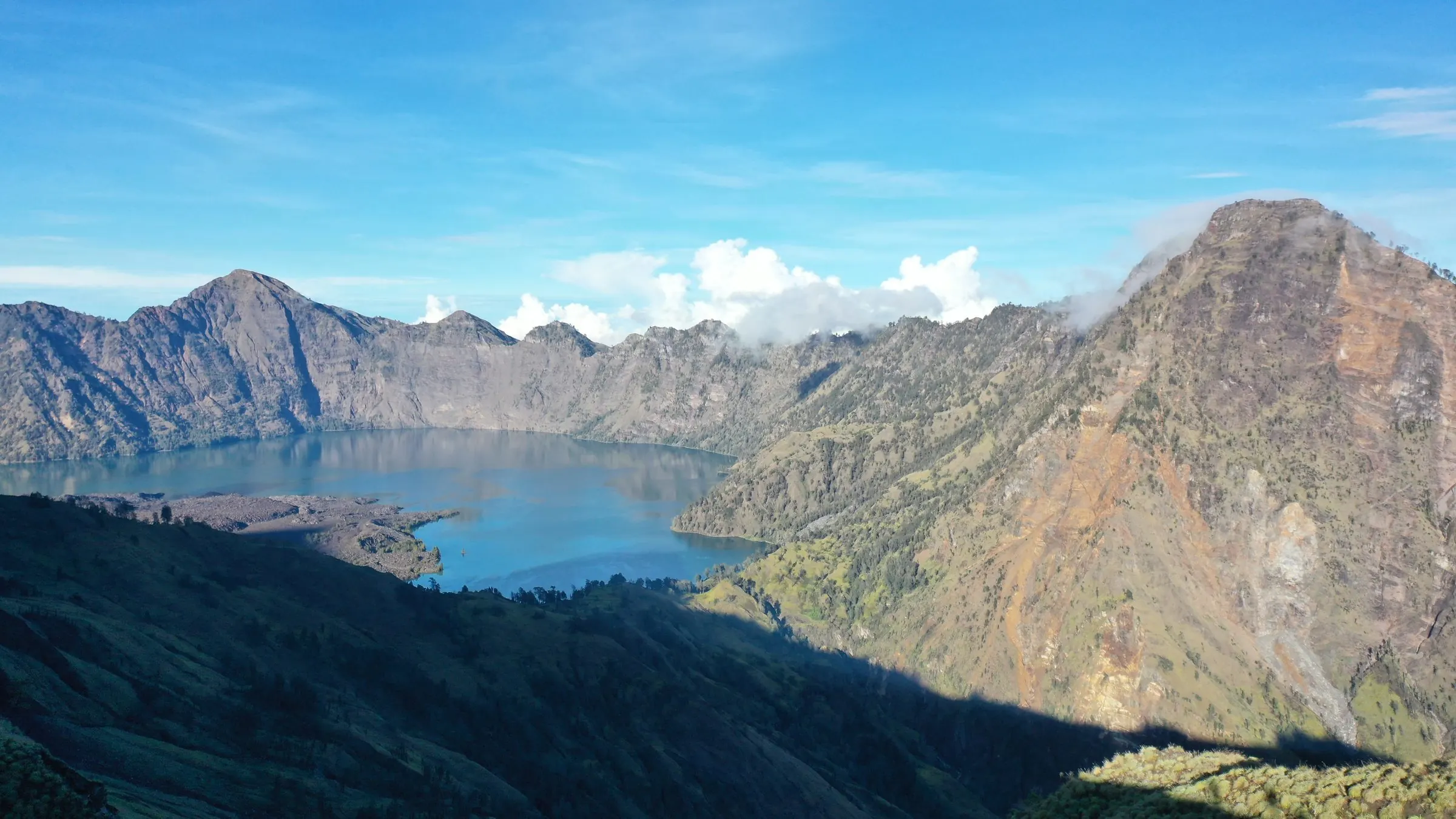
Welcome to the Rinjani-Lombok Multi International Designated Areas
The Tropical Bridge Between Asia and Australia
Home to Rinjani National Park, a UNESCO Global Geopark and a UNESCO Biosphere Reserve, managed together as one landscape.
The Rinjani‑Lombok MIDAS Management Agency governs both the UNESCO Global Geopark and the UNESCO Biosphere Reserve across the Rinjani landscape, converting natural, cultural and human capital into durable, inclusive economic value for West Nusa Tenggara.
What is a MIDAS?One island, 47 geosites
- 22
- Geological sites, from the Samalas caldera to volcanic beaches
- 17
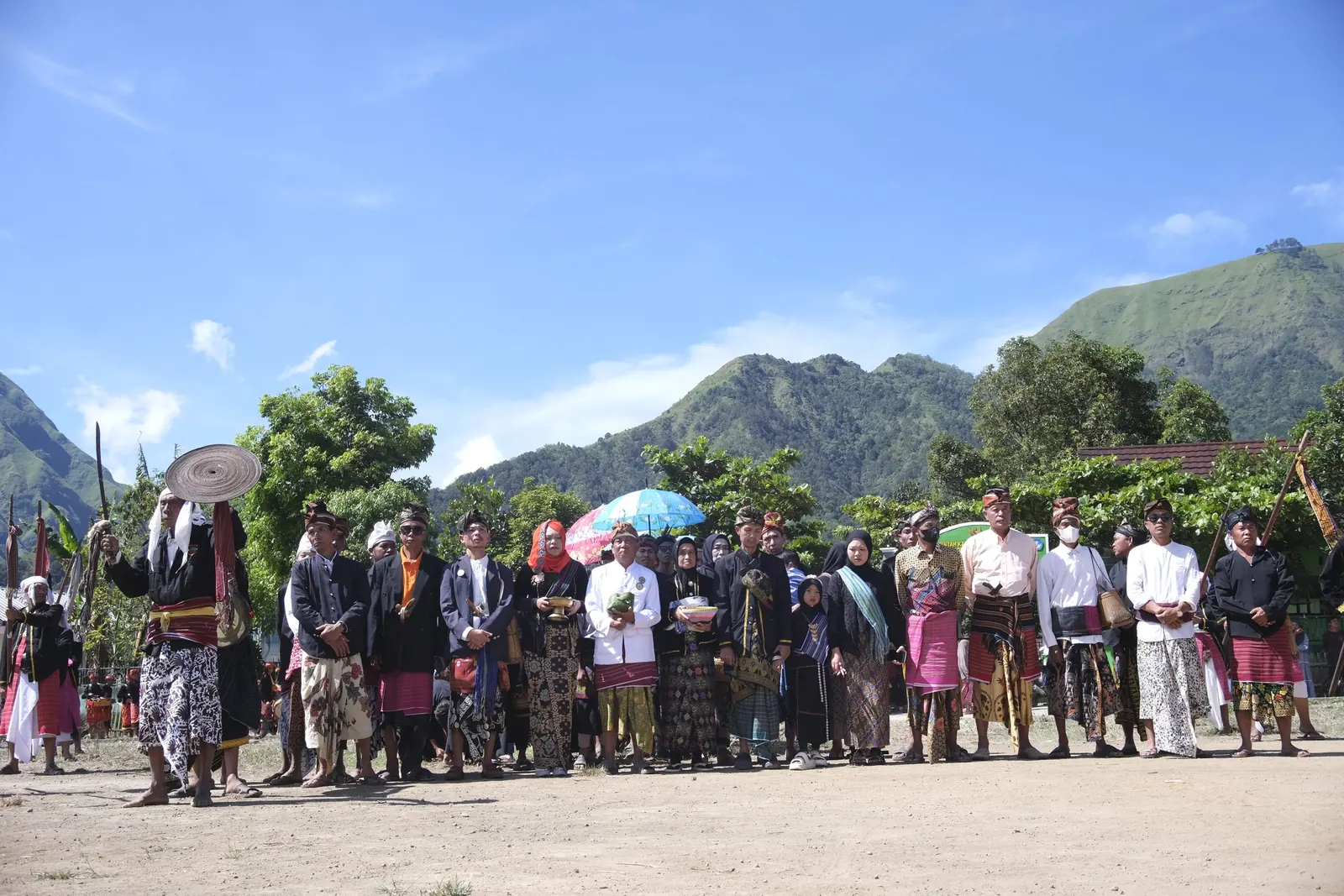
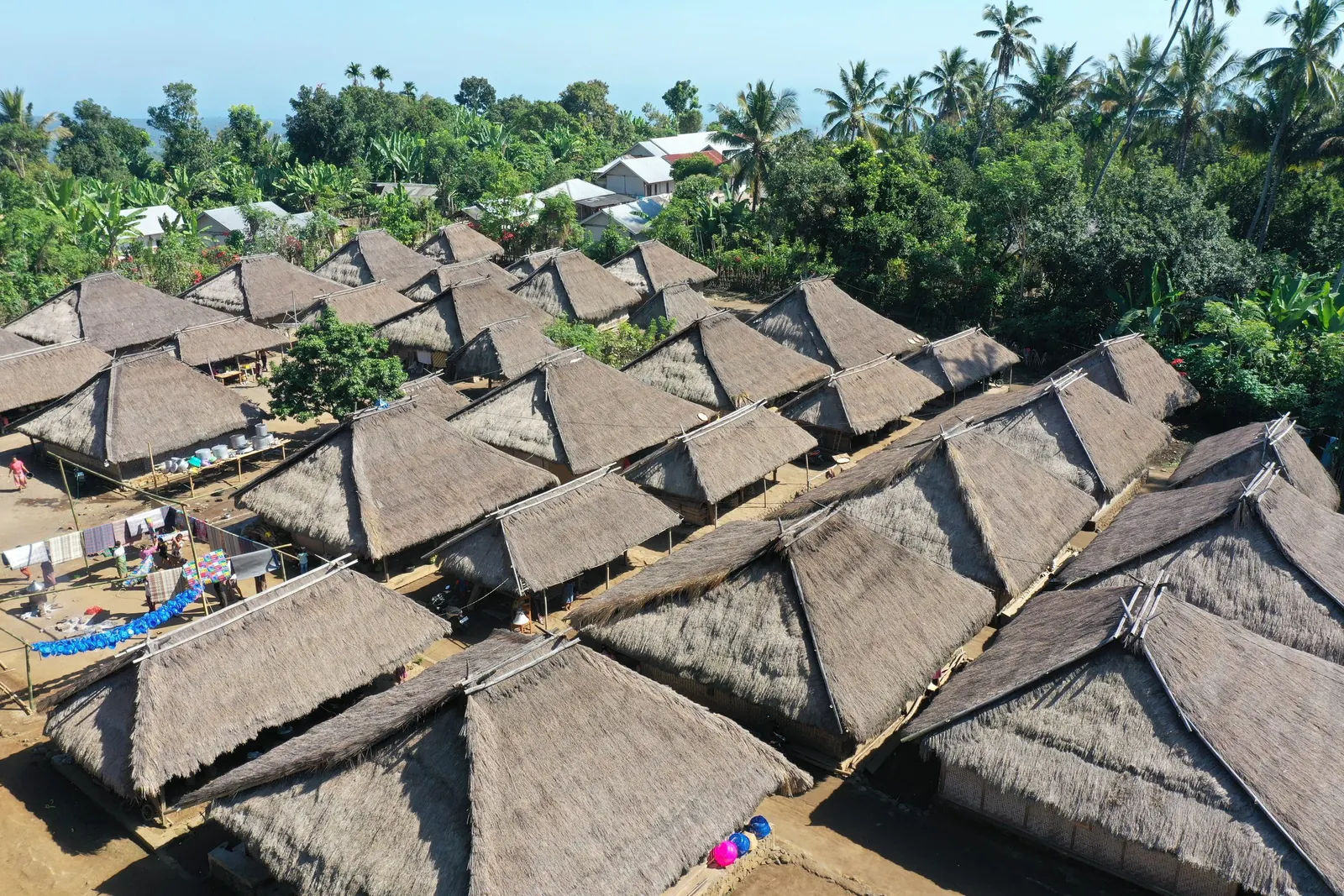
- Cultural sites, including traditional Sasak villages and ceremonies
- 8
- Biological sites, from mountain forest to coral islands
- 4,590.97 km²
- The Biosphere Reserve: the whole of Lombok Island
Why Rinjani-Lombok matters to the world
Rinjani‑Lombok sits on the boundary of the Wallace Line, where Asian and Australasian ecosystems meet, and carries a volcanic and cultural record of international significance.
The 1257 Samalas eruption, verified in ice cores at both poles and linked to Northern Hemisphere cooling in 1258, buried the historic Kingdom of Old Lombok and the City of Pamatan. It remains one of the most consequential volcanic events of the last millennium. Around it, Sasak tradition, architecture and cosmology continue to centre on Mount Rinjani, forming a living cultural landscape inseparable from its geology.
This dual heritage, earth and people, is why Rinjani‑Lombok holds both designations, and why its governance needs a single, accountable Agency rather than fragmented management.
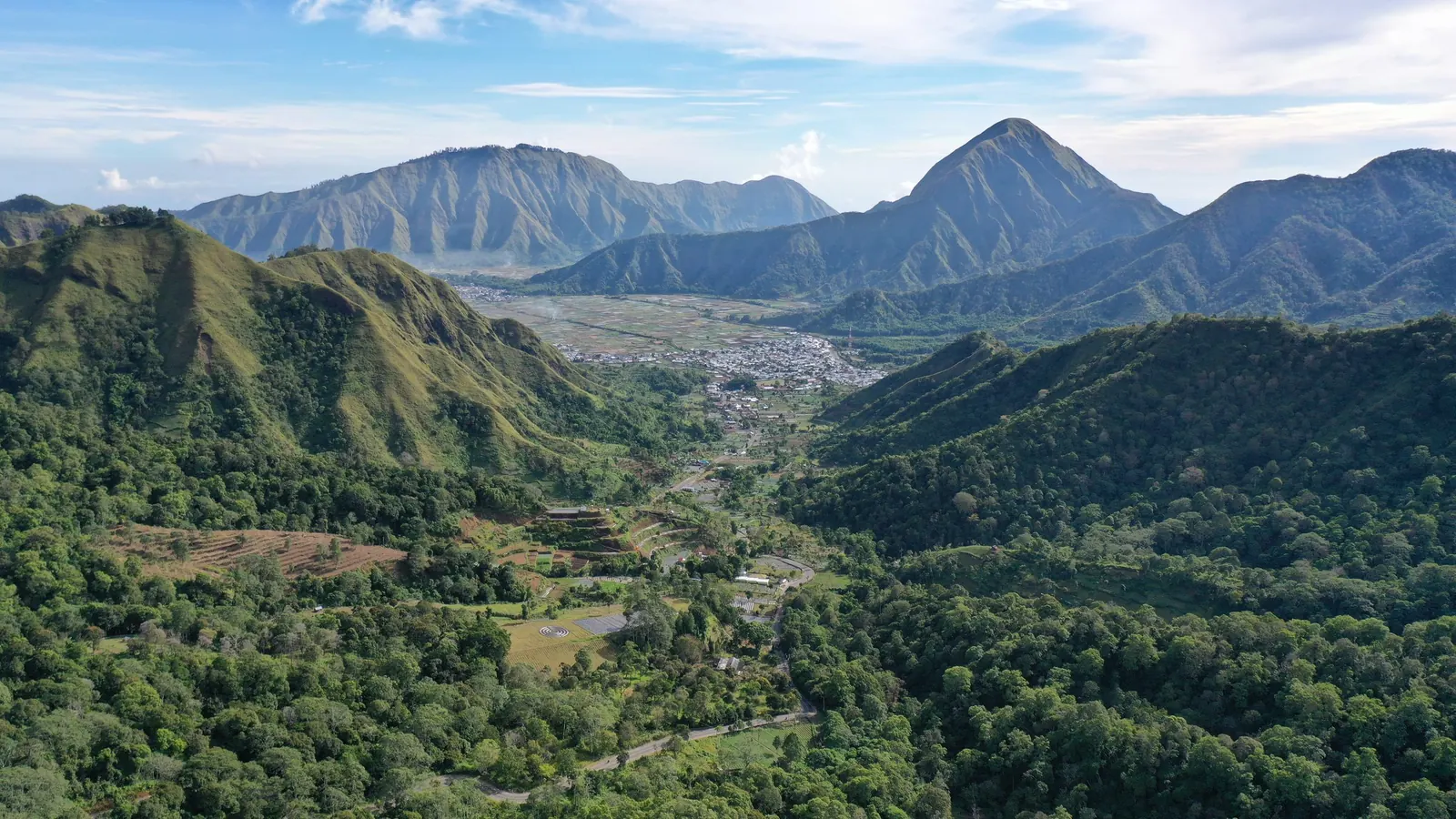
Our vision for Rinjani beyond 2030
Improving the welfare of the Rinjani‑Lombok communities through inclusive and sustainable economic diversification and transformation.
We aim to make the Rinjani landscape Southeast Asia's leading model for sustainable investment and programming in internationally designated areas. Our work rests on three focus areas: people, planet and prosperity.
Two UNESCO designations, two websites
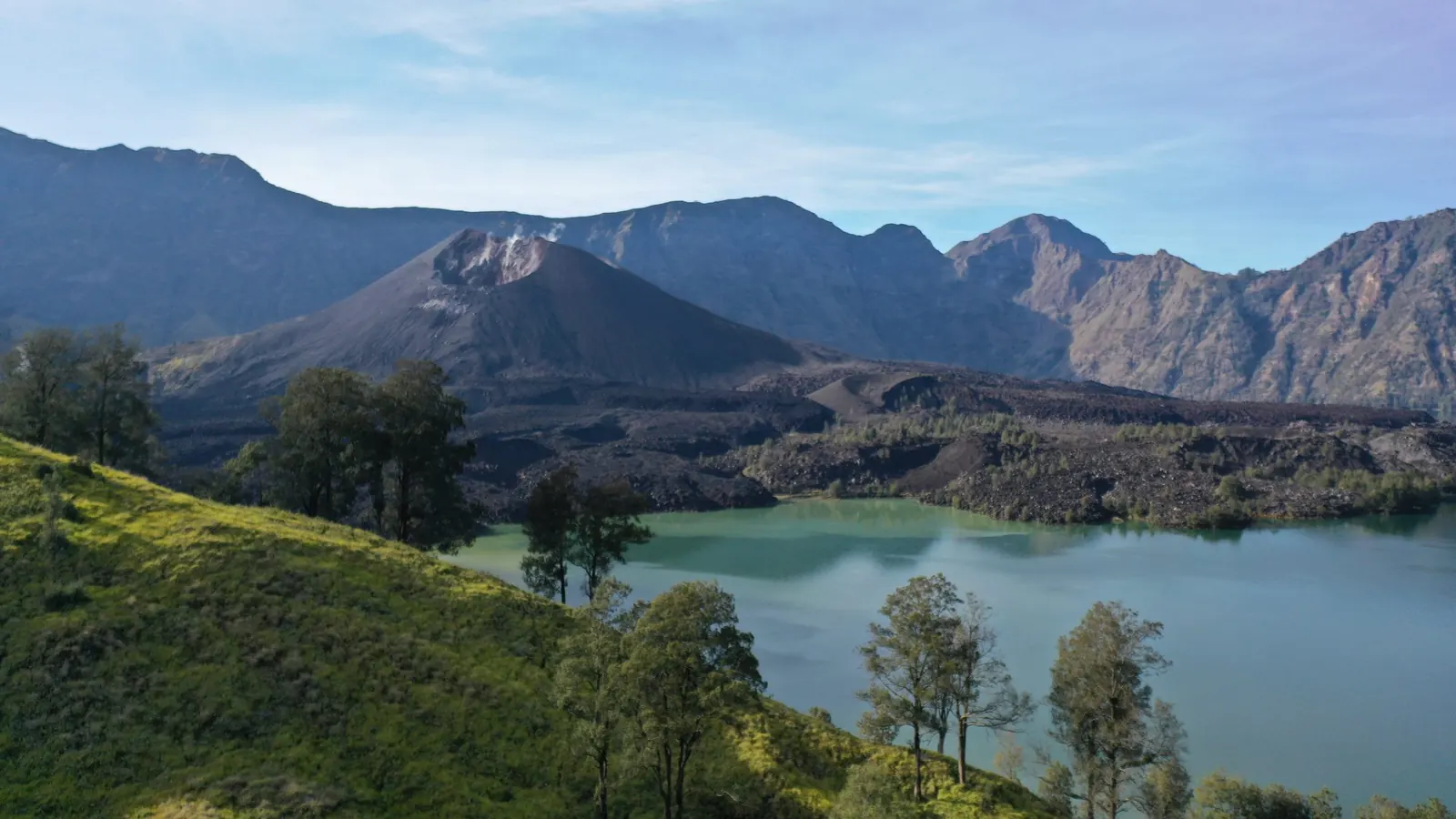
UNESCO Global Geopark
The geological story of Rinjani and the Samalas caldera, told through 47 geosites, geotrails and local geoproducts.
Visit the Geopark website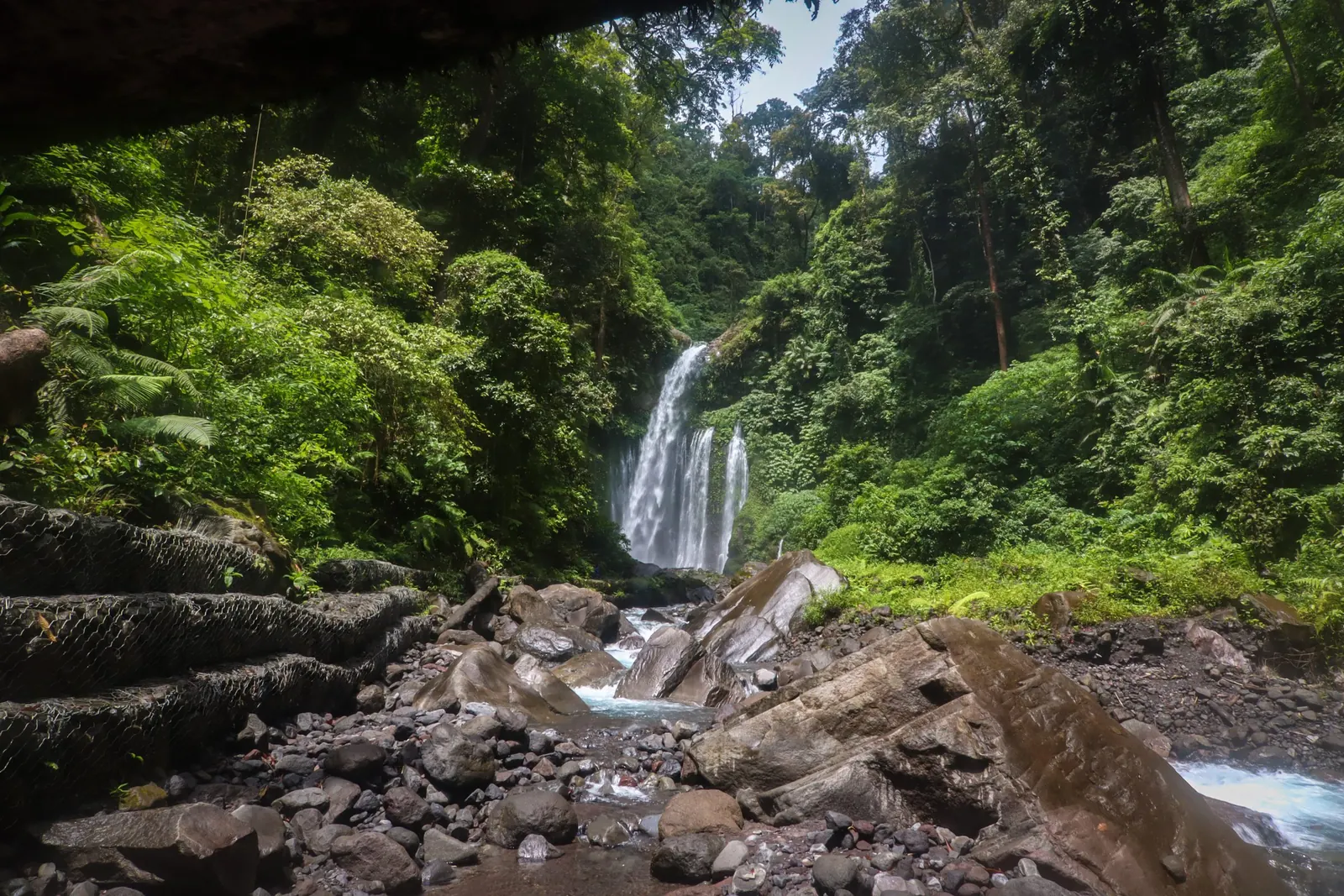
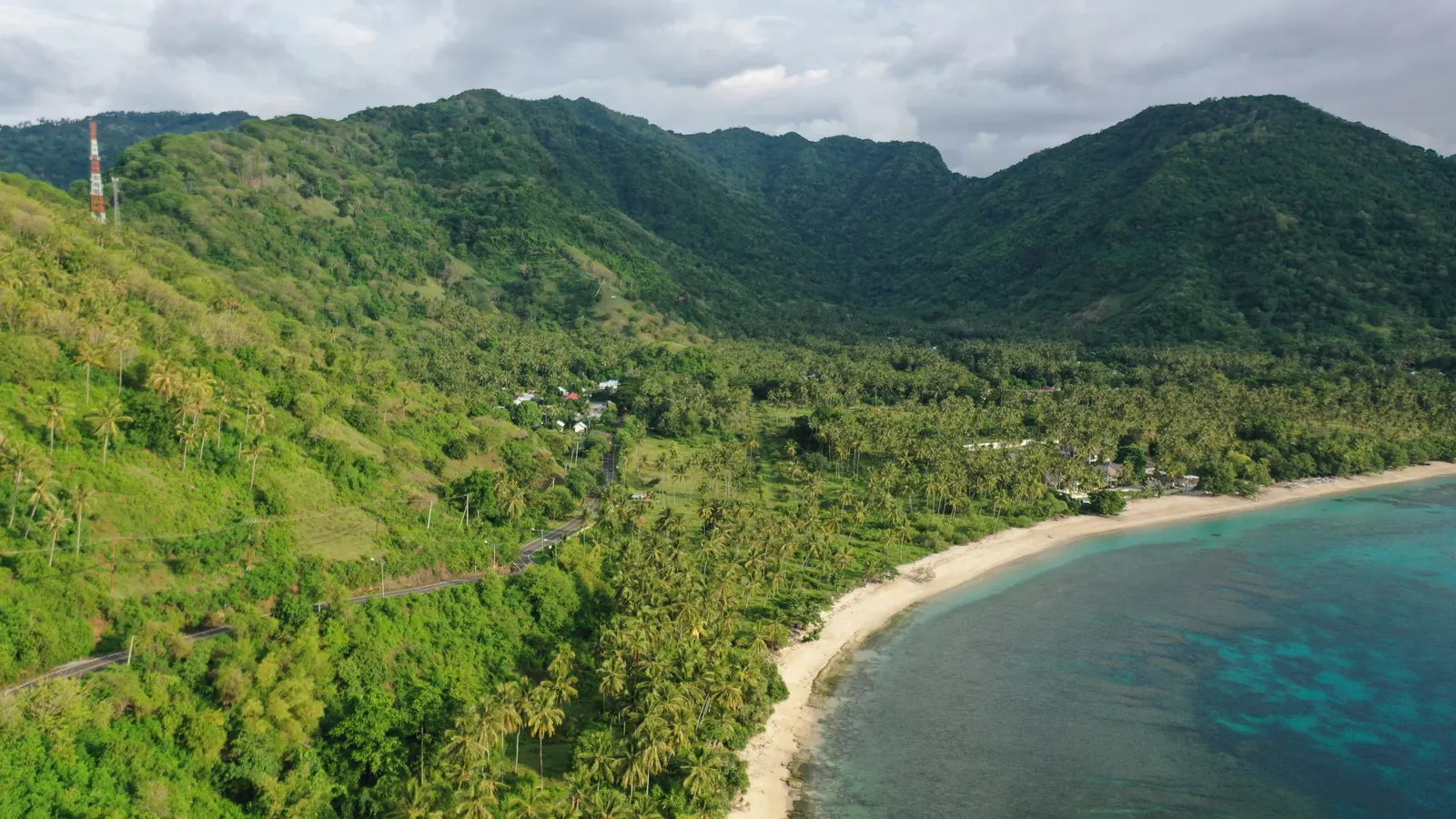
UNESCO Biosphere Reserve
The whole island of Lombok, zoned so that nature is protected and communities thrive from the summit to the reef.
Visit the Biosphere Reserve websiteExplore our work
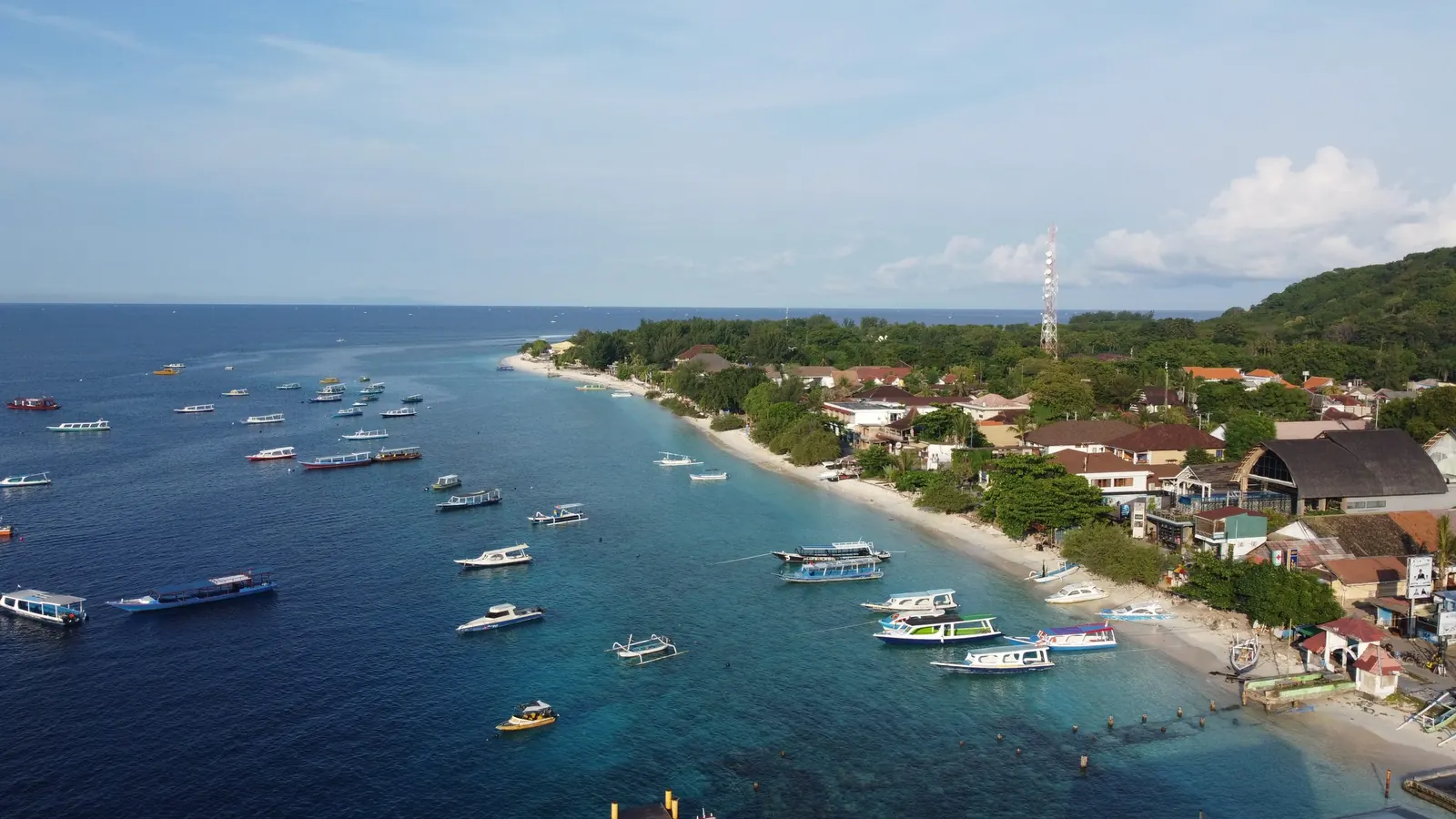
Make your own story in Rinjani-Lombok
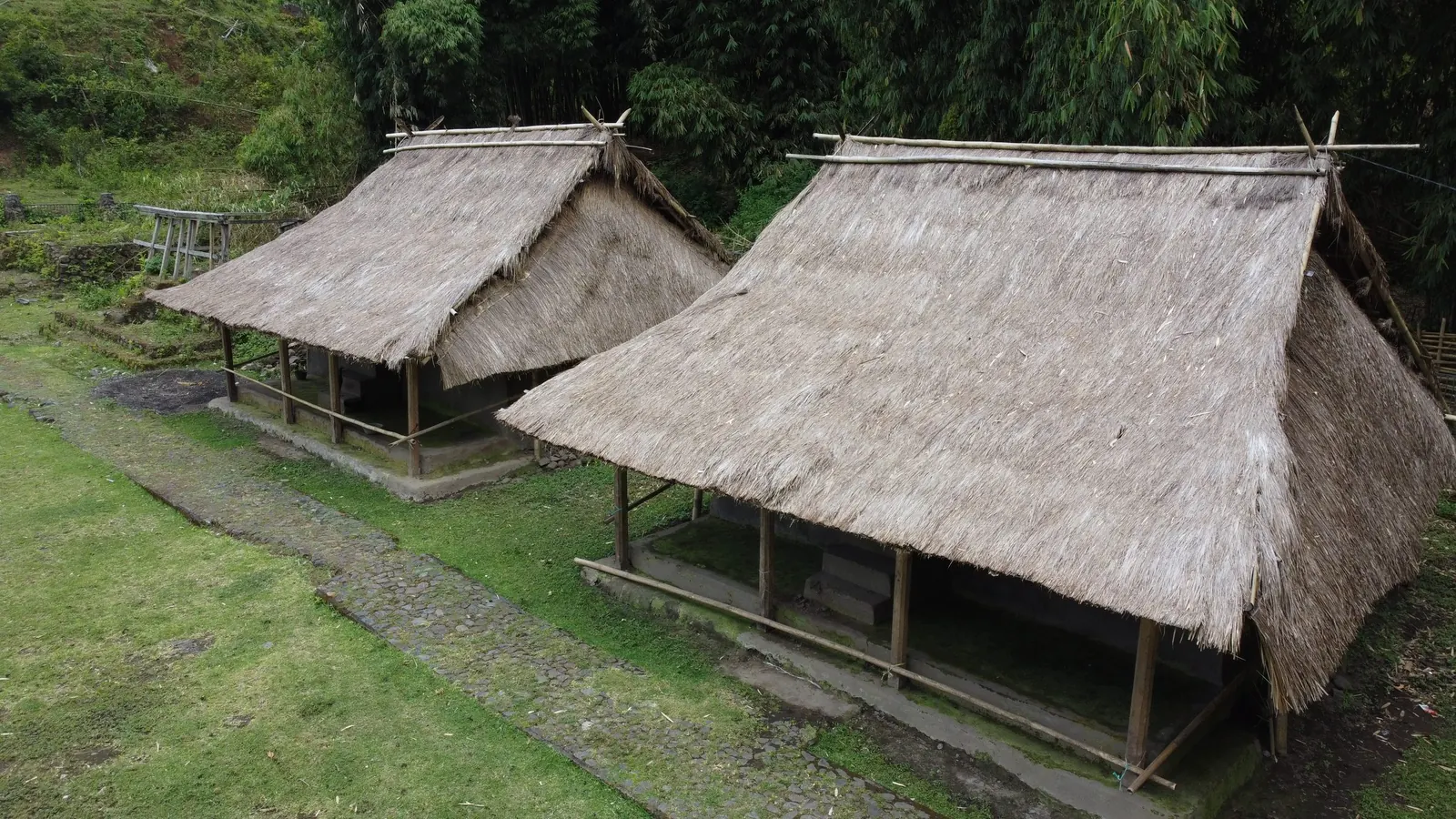
Latest news from the Rinjani-Lombok MIDAS
All news
Provincial Government of Northwest Papua Conducts a Study Visit to Rinjani-Lombok to Learn About Biosphere Reserve Governance and Management
NTB Province Launches the Rinjani Geopark Information Centre, Governor Iqbal Commits to its use for Supporting Small Businesses Across the Rinjani Landscape