
What is a MIDAS?
MIDAS stands for Multi International Designated Area(s): a landscape that holds more than one internationally recognised status at the same time.
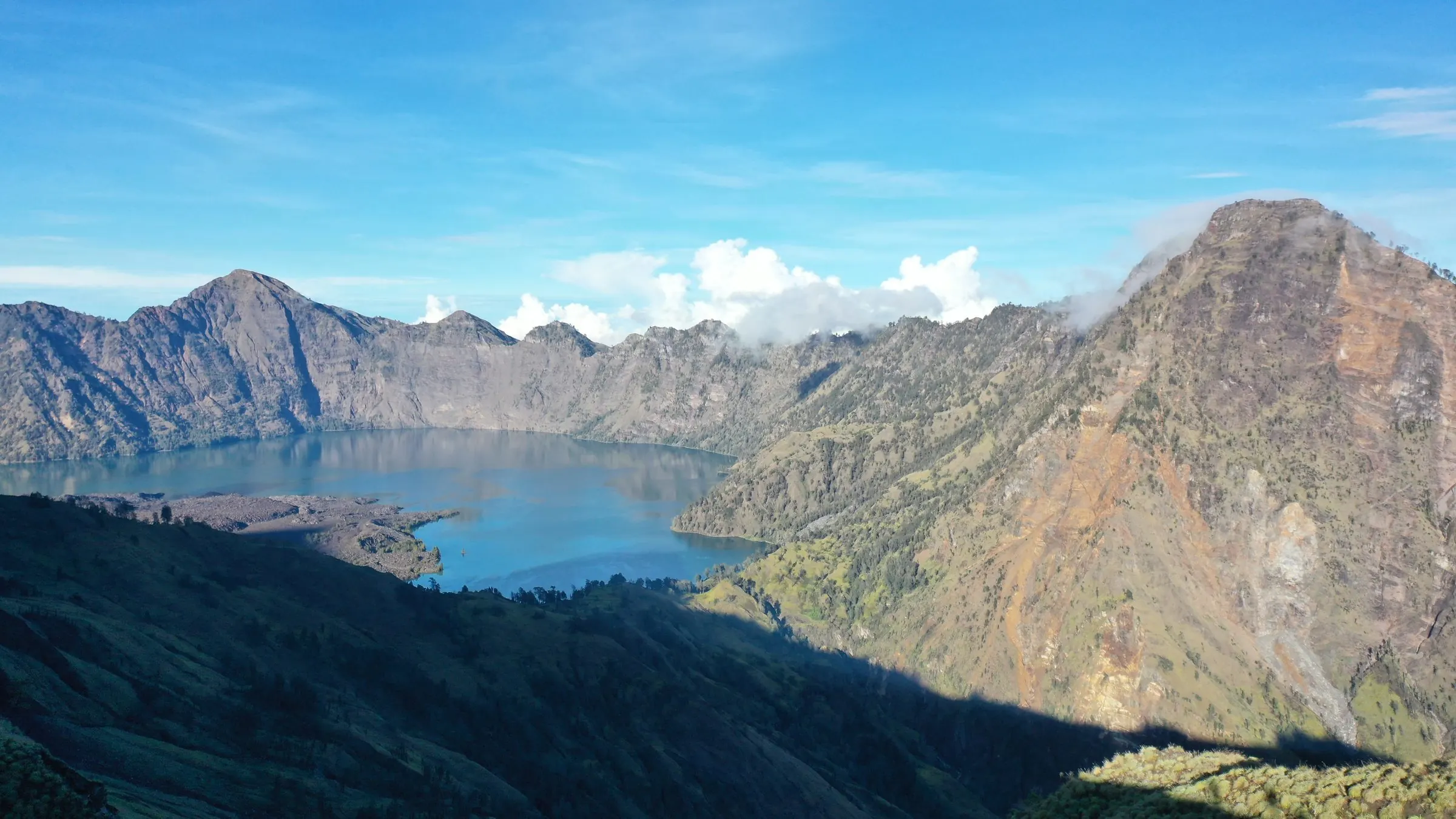
A landscape recognised more than once, governed as one
Rinjani‑Lombok carries more international and national designations than almost any landscape its size: a UNESCO Global Geopark, a UNESCO Biosphere Reserve and a National Park, each with its own definition, governing logic and legal basis. Each designation is granted by a different programme, for different reasons, often with different boundaries and reporting lines. Rinjani‑Lombok was named a UNESCO Global Geopark and a UNESCO Biosphere Reserve in the same year, 2018, and it contains a National Park that predates both.
Left unmanaged, that overlap creates a real governance risk: multiple designations, multiple stakeholders, multiple funding streams, and no single body accountable for the landscape as a whole. The Government of Nusa Tenggara Barat closed that gap by establishing the Rinjani‑Lombok MIDAS Management Agency: one Agency, overseen by the Governor and coordinated through BAPPEDA, holding both UNESCO designations under a single Board, a single financial vehicle and a single set of programmes.
UNESCO Global Geopark
A living landscape, read through its rocks
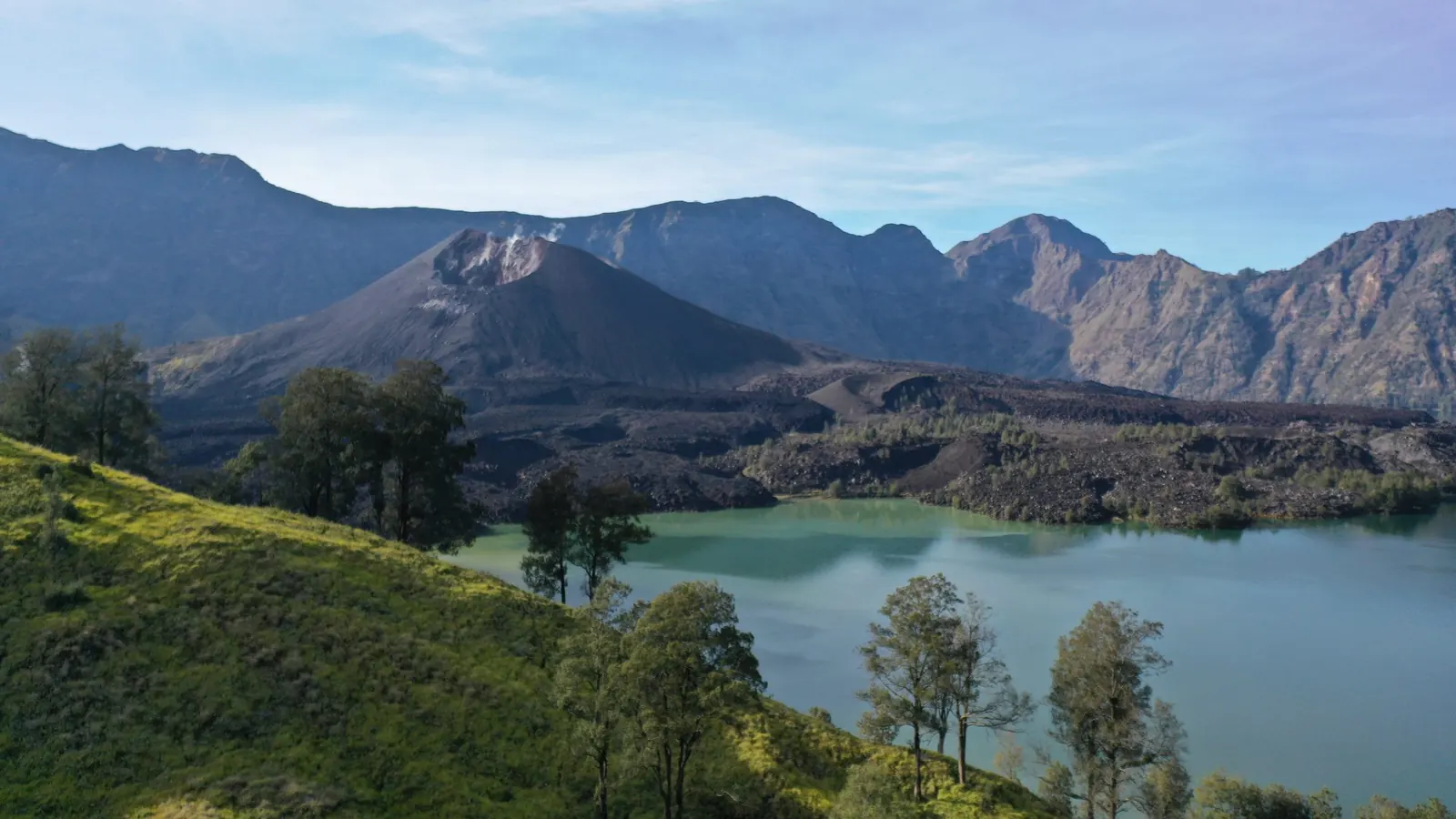
A UNESCO Global Geopark is a single, unified area where sites and landscapes of international geological significance are managed under a holistic concept of protection, education and sustainable development. It combines geodiversity, biodiversity and cultural diversity in one management framework, rather than treating rocks, species and culture as separate concerns.
A Geopark is not simply a protected area; it is a development tool. Its heritage is used to raise awareness of the challenges communities face (sustainable use of the earth's resources, climate change and natural-disaster risk) through geotourism, local enterprise and education rather than restriction alone.
UNESCO Biosphere Reserve
The whole island, held to one standard of balance
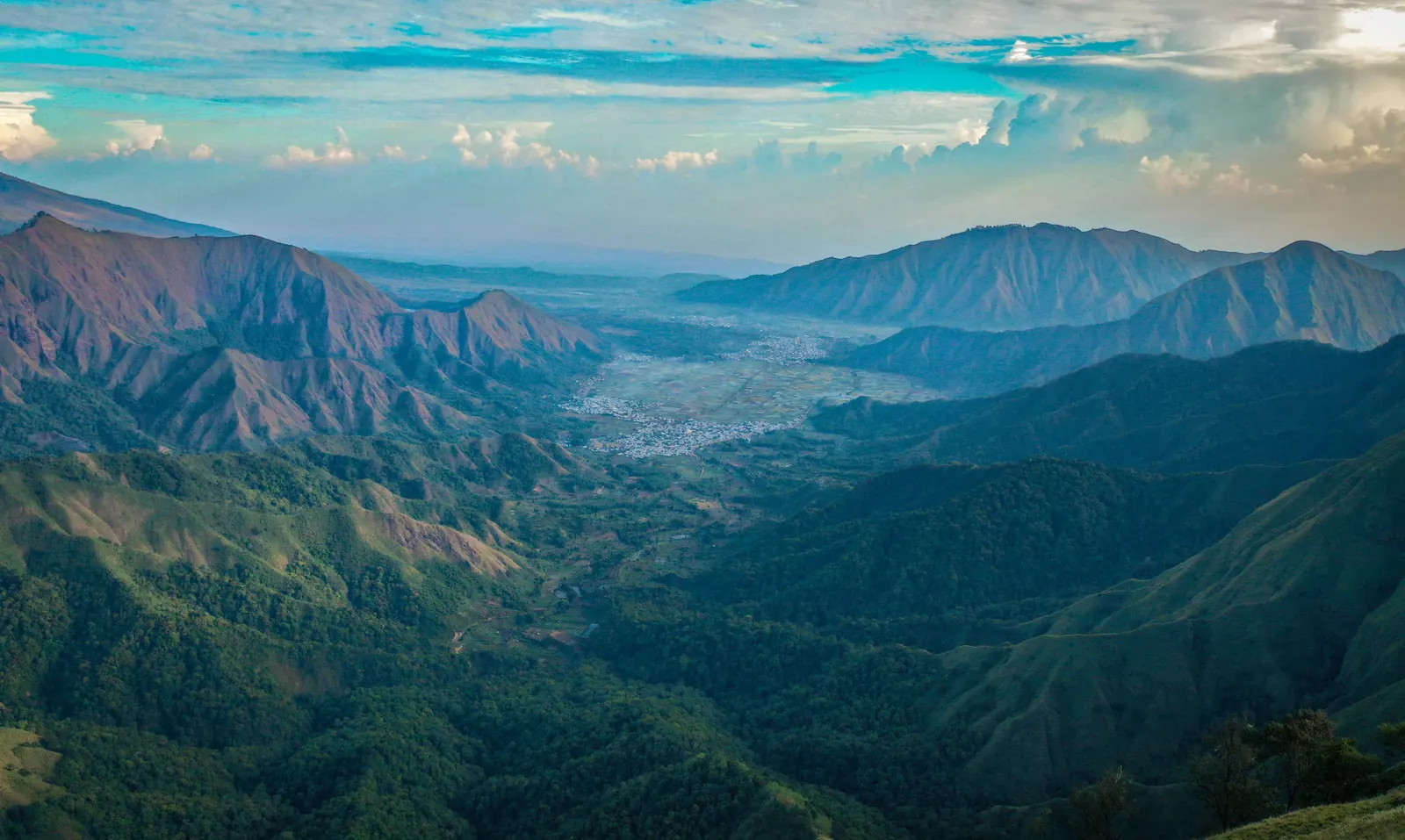
A UNESCO Biosphere Reserve is a designation under UNESCO's Man and the Biosphere Programme for places that demonstrate a balanced relationship between people and nature. Conservation, sustainable development and research are combined in one zoning system: a strictly protected core zone, a buffer zone around it, and a wider transition area where communities live and work.
Rinjani‑Lombok's Biosphere Reserve spans the whole of Lombok Island (4,590.97 km²), with the Samalas caldera, the Geopark's most important geoheritage site, inside its core zone. The two designations describe the same landscape at two resolutions: the Geopark reads it through its geological and cultural sites, the Biosphere Reserve as one functioning ecological and human system.
National Park
A legally protected core, under national conservation law
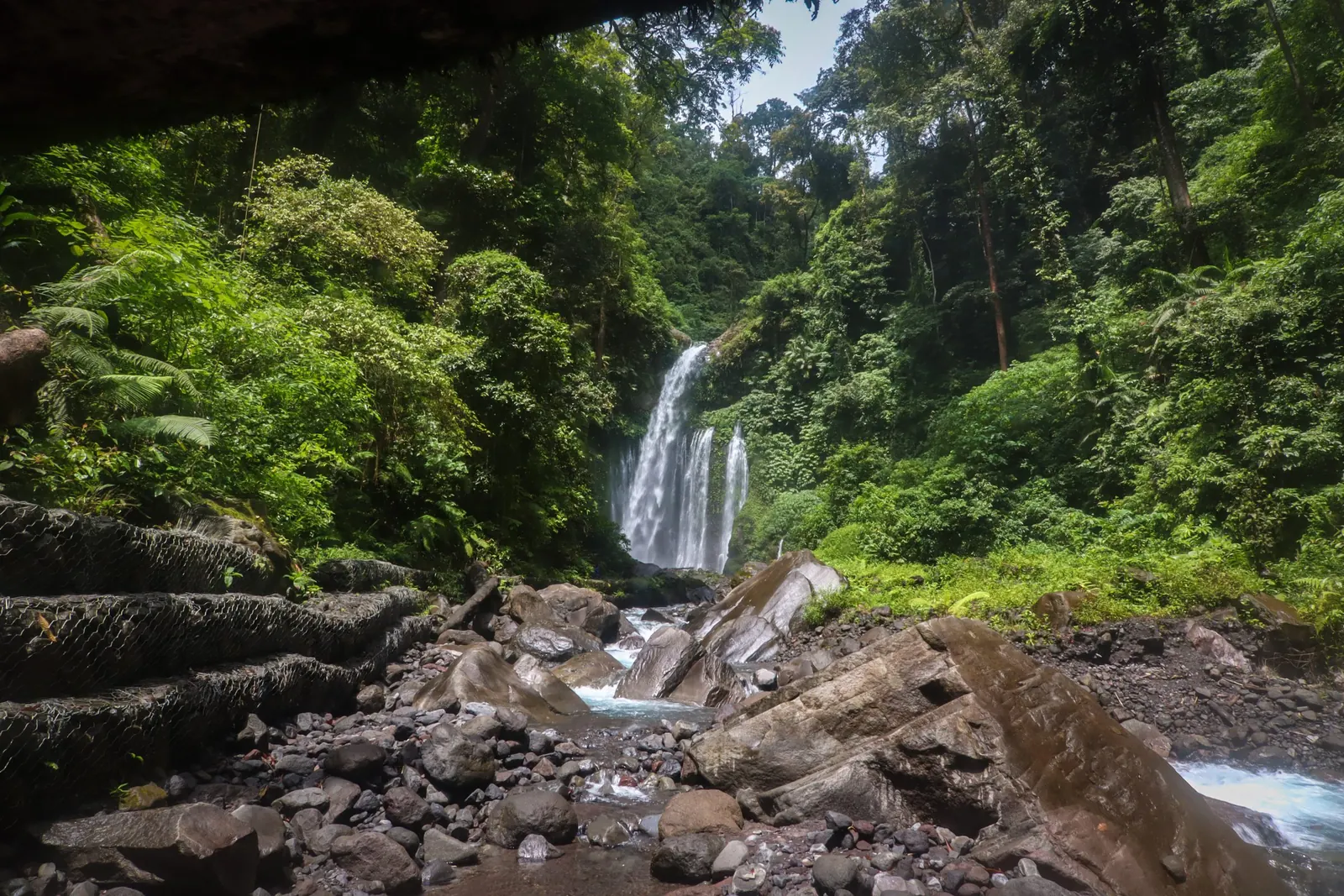
Unlike the Geopark and the Biosphere Reserve, a National Park (Taman Nasional) is a domestic legal conservation category under Indonesian law, managed through the Ministry of Environment and Forestry (KLHK) by a dedicated park authority (Balai Taman Nasional). Its purpose is strict: to protect a defined area's ecosystems, species and natural processes, with tightly regulated public access.
Gunung Rinjani National Park sits at the heart of both the Geopark and the Biosphere Reserve, but answers to a separate legal and institutional chain. That is why coordination between institutions, not consolidation under one authority, is the Agency's job.
One landscape, three frameworks
| UNESCO Global Geopark | UNESCO Biosphere Reserve | National Park | |
|---|---|---|---|
| Granted by | UNESCO (Global Geoparks) | UNESCO Man and the Biosphere Programme | Government of Indonesia (KLHK) |
| Designated | 2018 | 2018 | 1997 |
| Area | 2,850 km² | Whole of Lombok Island (4,590.97 km²) | 41,330 hectares within the landscape |
| Core logic | Geodiversity, biodiversity and cultural diversity, read through named geosites | Zoned balance between conservation and human use, island-wide | Strict legal protection of a defined ecosystem |
| Governed by | Rinjani‑Lombok MIDAS Management Agency | Rinjani‑Lombok MIDAS Management Agency | KLHK / Balai Taman Nasional Gunung Rinjani |
Two of the three frameworks are held by the same Agency, which is what makes single-platform governance possible. The National Park remains under national authority; there, the Agency's role is coordination and partnership, not management.
Every commitment on this site, from the four flagship programmes to the Rinjani Development Fund, is designed to work across both designations the Agency governs, never the Geopark alone.